
Kitchen Cabinet Quote Comparison
Compare Columbia kitchen cabinet proposals by drawing, components, finish and exclusions. Prepare a consistent request for a possible seller.
Bring your project details together before considering a cabinet purchase.
Send my cabinet inquiry
Or call (562) 203-3232. Calls only, we do not receive text messages.
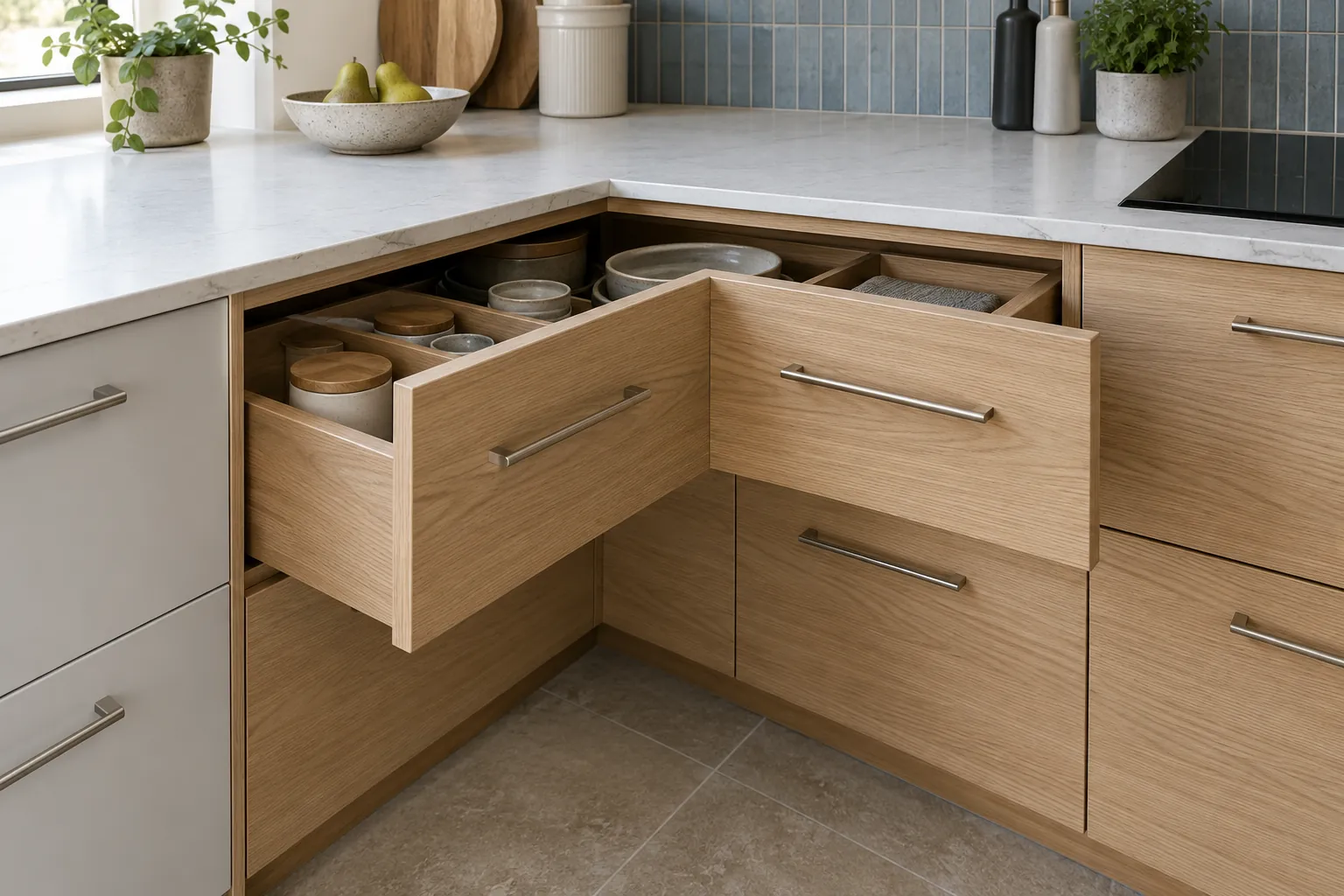
Choose an information topic and explain the status of your documents, rather than treating a category as a booked service. We are an independent guide and possible referral channel, not a retailer, designer or installing contractor. An accepting seller must confirm the actual location, proposed purchase and terms before you can rely on a connection.
About Columbia Cabinet Grid
Independent cabinet buying information and quote-request service. We do not manufacture, stock or install cabinets. A referral, supplier response, appointment or purchase is not guaranteed. Product availability, delivery and installation must be confirmed directly with the seller or separately engaged contractor.
Every service
Compare Columbia kitchen cabinet proposals by drawing, components, finish and exclusions. Prepare a consistent request for a possible seller.
Prepare Columbia cabinet layout questions with a measurement register, appliance inputs and clear approvals before a product order is finalized.
Compare Columbia cabinet assembly formats through instructions, receiving dimensions and assigned responsibilities, without universal quality claims.
Prepare a Columbia vanity inquiry around cabinet, top, basin, plumbing inputs and exclusions. Final fit and purchase terms need direct confirmation.
Organize Columbia cabinet packages by room reference, approved version and receiving stage. Commercial seller eligibility and terms remain unverified.
Prepare a Columbia cabinet receiving checklist with handoff, recipient, access and inspection details. Actual seller logistics need confirmation.
Layout and order preparation is the right starting point when the room information or intended arrangement is incomplete. Identify the openings, retained appliance specifications and basic storage goals. The IKEA US planning reference highlights measurements and appliance dimensions as useful planning inputs; it does not provide this site with a measuring service or establish the final requirements for your home.
List the questions that need a responsible answer. If the arrangement relies on a changed service or exterior opening, say so. If another person will verify dimensions, identify that role before treating an early sketch as a purchasing drawing. The buyer can make product preferences while the professional checks room conditions, but the status of those decisions must remain visible. A concept that is ready for discussion is not necessarily an order ready for approval, even when the selected finish and image already look complete.
Choose kitchen quote comparison when you can describe the proposed order consistently. Keep the layout revision, unit references, finish and accessory list together. Ask a possible seller to show where its proposal differs from your brief and which elements it excludes. Without that comparison, the total can appear competitive while addressing a different storage problem.
The FTC’s consumer guidance on home improvement estimates supports looking at scope, materials and price in writing. For this purchasing guide, the application is a transparent comparison, not a guarantee of a supplier offer or a construction contract. Separate the products from any labor you need to engage elsewhere. If the finish or drawer arrangement changes, keep that as an identified alternative. Do not interpret an early inquiry as a confirmed quotation, approved supplier relationship or assurance that the illustrated products can be purchased locally.

The RTA and assembled topic asks who takes responsibility for the chosen product’s assembly and how it will be handled. The category label alone is not a quality test. Review actual instructions, packaging and any components requiring further work. Confirm that a separately engaged assembler accepts the specific product before assuming the supply price covers a workable route to use.
For bathroom vanities, the purchase question is often the combination rather than assembly alone. Identify whether the cabinet, top, basin and other components are included together, and ask the responsible professional to review the room and plumbing assumptions. Home Depot’s measurement guidance calls attention to door movement, plumbing and usable space; those are questions to verify, not universal dimensions prescribed by this guide. A product request does not appoint a plumber or provide bathroom installation, and each proposed combination needs its own clear specification.
Contractor and property packages are useful to discuss when several rooms share a buying program. Start with room identifiers and a schedule of quantities. Standardize a configuration only where the verified rooms truly allow it, then preserve exceptions. A repeated finish is not evidence that every opening, appliance or exposed side can use the same product list.
The inquiry should identify who approves changes, how substitutions will be evaluated and which receiving points are intended. Commercial eligibility and any seller account terms remain unverified. This guide offers no package discount, product allocation or construction team. Ask the possible seller what documentation it needs for a defined offer, and have the authorized purchaser review the revised schedule before any commitment. Version control is a purchasing discipline: it keeps a change to one room from silently altering an apparently identical group of rooms.

Delivery and pickup planning belongs beside the product comparison, not at the end as an assumed convenience. Ask where the actual seller would hand over the goods, who receives them and what access information is required. If the products arrive assembled, confirm dimensions of relevant pieces. If they need assembly, identify the work and staging responsibilities.
Pricing should name those obligations separately from the supply list unless the accepting offer explicitly includes them. No Columbia transport fee, response window or local product price has been measured here. Compare the seller’s defined terms and ask what remains provisional. A separately hired carrying or installation business needs its own agreement. The topic provides a checklist for the discussion; it does not move goods, reserve products or promise an arrival on which other work can be scheduled without confirmation.
Columbia village covenants are recorded with land records, and village associations enforce exterior standards, according to Columbia Association. When a broader project proposes a vent, window or other relevant exterior change, identify the property’s actual village and the responsible reviewer. Do not turn that observation into a blanket rule for ordinary interior cabinet purchases.
Choose the central topic for your inquiry, then add the relevant dependency. A kitchen quote request can mention unresolved access; a vanity inquiry can explain that the top is undecided; a package can state that unit authorization is pending. Columbia Cabinet Grid supplies independent purchasing information and a possible referral route. The seller must accept your address and scope, and the responsible parties must confirm final specifications, approvals and contracts. Honest status makes a message useful without disguising it as a finished order or a promised appointment.
Inquiry process
Sending an inquiry does not reserve products or book work.
Include project ZIP, room, approximate cabinet list and preferred timing.
Identify assembly, access, measurements and any separately arranged labor.
An inquiry can be referred only if a suitable seller accepts the location and product request.
Confirm the final drawing, itemized price, payment, delivery and return terms directly before ordering.
Questions
If the arrangement itself is unclear, begin with layout preparation. If the arrangement is confirmed but the quote omits components, use quote comparison and identify the omissions. The task is to clarify the purchase record, not choose a construction service. A potential seller still decides whether the request and location are suitable.
Yes, identify the main question first and describe its dependencies. For example, a product comparison can note an unresolved receiving route or assembly plan. Avoid presenting every stage as completed. That status helps a seller decide what information is needed without implying this guide supplies the missing labor or verification.
It explains how to organize repeat purchases and allows a procurement inquiry. It does not grant commercial account approval, preferred prices or allocation. The seller must confirm its own eligibility and terms. Supply documents and labor arrangements need named responsible parties before a package can become an accepted purchase.
A topic selection describes your interest. A supplier has not accepted your address or agreed to a meeting merely because the form was submitted. Review any later communication for the business identity and actual offer, and confirm terms directly before relying on a product, appointment or order commitment.
Local buying information
Describe the purchase and project ZIP in Columbia. Supplier acceptance and any referral are confirmed separately; no visit or quote is booked by this form.
Calls only, we do not receive text messages.