
Use Howard County cabinet guides without assuming one property type
Bring your project details together before considering a cabinet purchase.
Send my cabinet inquiry
Or call (562) 203-3232. Calls only, we do not receive text messages.

Project location changes the buying questions
Choose a guide for the place you have in mind, then distinguish sourced regional facts from questions about your own property. This is independent buying information and an inquiry channel, not a supplier network already accepting every listed community. Final measurements, property responsibilities and seller terms remain separately confirmed.
About Columbia Cabinet Grid
Know who handles each part
Independent cabinet buying information and quote-request service. We do not manufacture, stock or install cabinets. A referral, supplier response, appointment or purchase is not guaranteed. Product availability, delivery and installation must be confirmed directly with the seller or separately engaged contractor.
Local buying information
Local buying guides
Keep locality, postal address and purchasing destination distinct
A locality label helps readers find relevant information, while a product purchase needs a precise destination. Write the project address and room reference clearly, especially if the contact person lives elsewhere. If an order serves several properties, keep the destinations separate. A recognizable search term should not conceal the fact that different recipients, access routes or decision makers are involved.
The guides do not draw a supplier coverage boundary. They discuss named places using narrow public sources and conditional buying applications. A seller may need more information about products, quantities and receiving arrangements before deciding whether to accept the request. Explain what is known and what needs checking instead of turning a county-wide editorial title into a commercial commitment. That separation also prevents the municipality or postal name from being mistaken for a verified room condition, approval or logistical arrangement.
Columbia: identify the village or building contact when relevant
Columbia Association describes recorded village covenants and exterior alteration standards enforced by village associations. When a broader project involves a relevant exterior change, identify the actual property’s village and ask the responsible contact about that scope. The source does not establish a universal rule for interior cabinet replacement, so an inquiry should not imply one.
For the product purchase, prepare the room sketch, retained appliance information and intended storage changes separately. If the arrangement depends on an unconfirmed exterior or common-area decision, mark that dependency. A buyer can explore finishes while keeping the broader project unresolved. This guide does not interpret the covenants, provide an approval service or determine property rights. The practical lesson is to name the right decision owner rather than assume that a Columbia label answers every purchasing and building question at once.

Ellicott City: distinguish the historic core from the broader address
Howard County identifies an historic Ellicott City and Tiber Branch watershed master plan as a long-range community vision. That is place context, not a description of every property using an Ellicott City postal address. It does not certify a kitchen condition, establish the size of an opening or prove any particular property’s exposure to a hazard.
For a purchase brief, describe the actual building and receiving location. If a historic-core setting or ground-floor storage concern is relevant, identify it as something to verify at the address. Do not claim the source has inspected the room or determined whether a particular product should be stored there. Ask the relevant seller about its chosen product conditions and the responsible property contact about access. The locality guide supports a more specific conversation, not a general conclusion that every Ellicott City order needs the same treatment.
Elkridge: ask about access without inventing a street restriction
HoCo By Design discusses historic Elkridge as a northern corridor gateway and includes recommendations involving walking, cycling and local-street connections. Those planning statements do not tell a buyer that an individual house is historic or that a particular street excludes delivery vehicles. Such claims would need separate evidence for the actual destination.
Use the context to ask straightforward access questions: where can the purchase be received, who authorizes the handoff and which route will the products take? If the room has older openings or unusual dimensions, have them verified rather than assumed. A supplier’s instructions and the real property should control the receiving plan. This guide does not measure routes or operate carrying services. Clear questions are useful precisely because they do not turn broad planning language into a promised delivery method or an unsupported constraint on the order.
Clarksville: rural context does not describe every driveway
Howard’s District5 includes parts of Clarksville and much of the county’s rural west with agricultural-preservation context. The district source is not proof that all Clarksville properties have rural access, extensive storage space or the same building responsibilities. The actual address may need a quite different receiving discussion from another property in the broader area.
Tell the possible seller about the real destination, access point and recipient. Verify any driveway, staging or shared-entry detail that matters to the selected products. Ask who would move goods beyond the agreed handoff and who will assemble them if needed. Do not extrapolate truck access from a district map. For several rooms, use a schedule with individual references. A county-wide editorial guide and a regional source can prompt sensible questions, but neither one supplies an accepted logistics contract or field assessment.
Local cabinet pricing and referral decisions remain specific
Each locality guide leads back to the defined purchase rather than a guessed community price. Ask for itemized products and separately described receiving or labor costs. Compare the actual seller’s offer for the same finish, unit list and assembly status. No local numerical price, drive time or delivery surcharge is measured on this page.
Include the real ZIP and describe the kind of order when you send an inquiry. A possible supplier must accept the destination and product scope before a referral is meaningful. Columbia Cabinet Grid provides independent information, not products or installation, and a response is not assured. Confirm any final drawing, price, timing and purchase terms directly with the seller. Keep property-specific approvals with the relevant responsible party rather than treating the guide’s local facts as permission for work or evidence of merchant coverage.
Illustrative product choices
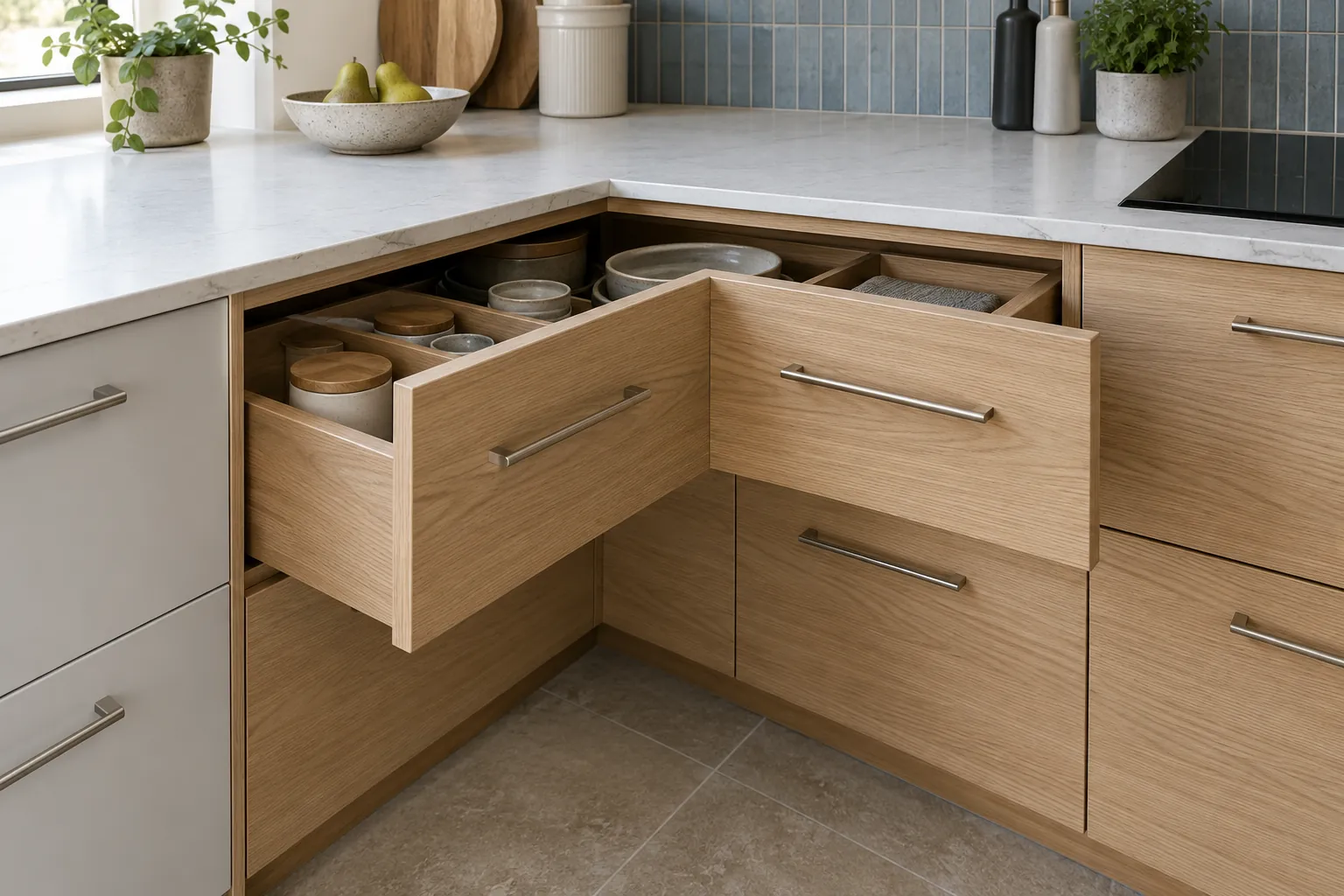
Illustrative product visualizations, not completed work, local properties or supplier facilities.
Questions
Coverage questions
Can a guide title tell me which authority governs my property?
It gives local context, not a verified jurisdiction or property determination. Use the actual address and ask the relevant local, village or building contact about the proposed scope. Keep that response with the project information rather than assuming the guide’s postal place label settles approvals, access rights or purchase responsibility.
Does the Ellicott City plan establish a storage hazard at my address?
The source identifies a community plan, not a property inspection. This guide does not infer an individual hazard or prescribe storage from the place name. Ask the responsible property contact and seller about actual conditions for the selected products, and distinguish those verified answers from broad planning context.
Why ask about receiving access before choosing a supplier?
It helps a possible seller judge the request and explain what it would need to confirm. The product size, assembly format and agreed handoff may matter. Give accurate information and mark uncertainties; an early inquiry does not constitute an inspected route, delivery approval or transport contract.
Are communities outside these guides excluded from inquiries?
The editorial list does not establish either acceptance or exclusion. Describe the actual location and purchase, then wait for a relevant supplier to affirm suitability. Do not rely on the absence or presence of a locality article as proof of a seller territory or a commitment to arrange a connection.
Talk to us about your project
Describe the purchase and project ZIP in Columbia. Supplier acceptance and any referral are confirmed separately; no visit or quote is booked by this form.
Calls only, we do not receive text messages.